TRAPPIST TAPPED AND DISPLAYED - From Rule to Recipe
ITRAPPIST TAPPED AND DISPLAYED – From Rule to Recipe.
Thematic stamp collecting.
TRAPPIST TAPPED AND DISPLAYED – From Rule to Recipe.
Thematic stamp collection by Verstraete Luc
All Belgian Trappists.
The Foreign Trappists.
- LA TRAPPE KONINGSHOEVEN
- CARDENA
- MONT DES CATS (*)
- TYNT MEADOW TRAPPIST ALE
- TRE FONTAINE
- ZUNDERT
Cistercian monasteries.
The Trappists and their Beer: A Historical Story.
The order of the Cistercians was founded in 1096. These monks, owe their name to their first monastery in Cîteaux, Burgundy. From 1664 onwards, a group was formed within the Cistercians that adhered to strict rules. These monks are called Trappists after their first abbey: La (Grande) Trappe in Normandy.
The Trappists, also known as the Cistercians of the Strict Observance (O.C.S.O.), closely follow the Rule of St. Benedict. That’s why Saint Benedict plays a special role in the story.
This monastic rule, formulated in the 6th century, serves as a guide for the monastic life of Benedictines, Cistercians, and Carthusians.
The history of the monastic breweries is interrupted by The French revolutionary government interrupts the history of the monastic breweries, because they want to abolish all monasteries and sell their possessions. From 1796 onwards, the monks once again occupied their monasteries.
A first Trappist.
In 1836 the first Trappist beer was brewed in the abbey of Westmalle. At first only for personal use, but not much later also for sale. Almost two centuries later, we still enjoy the recipe that was made back then.
Several Trappists followed, such as Chimay, Orval, Rochefort and Westvleteren.
The Brewing Process of Trappist Beer.
Trappist beer is inextricably linked to an abbey. The beer is brewed within the walls of the abbey, or at least in the vicinity of the monastery. The monks brew the beer themselves or supervise the brewing process. To maintain the Trappist community and the abbey, the monks use the money from the proceeds of the beer. If there is any money left over, it will go to charity. Beers that comply with these rules carry the label ‘Authentic Trappist Product’ (ATP), awarded by the International Trappist Association (IVT).
TRAPPIST TAPPED AND DISPLAYED – From Rule to Recipe.
Based on stamps, letters, postal items and first day covers, we attempt to outline the history and origins of Trappist beers, linked to the monasteries and abbeys responsible for their production. It forms a thematic stamp collection with many fascinating sections and useful information. We take you on a journey through the life of the Cistercian and Trappist monasteries where the monks live.
Trappist beer is brewed by Trappist monks, who belong to the Order of Cistercians of the Strict Observance. These monks live according to the rules of Saint Benedict, which means they lead a life of prayer, work and silence. Brewing beer is one of the ways in which they earn their living and maintain their monasteries.
There are only a handful of Trappist breweries worldwide, and they must meet strict criteria to be allowed to carry the ‘Authentic Trappist Product’ label. These criteria include, among other things, that the beer must be brewed within the walls of a Trappist monastery, under the supervision of the monks, and that the proceeds must be used for the maintenance of the monastery and for charitable causes.
Westmalle Abbey.
Abbey.
Westmalle Trappist Triple
Belgium is renowned worldwide for its rich beer culture, and Trappist beers occupy a special place within that tradition. These beers are not brewed just like any other—they are the result of centuries-old monastic tradition, craftsmanship and spirituality.
The Belgian Trappist abbeys.
Belgium has five recognised Trappist breweries, each with its own character and beer style:
Abbey | Established | Famous beers | Characteristics |
|---|---|---|---|
Westmalle | 1836 | Double, Triple | Fruity, spicy, complex |
Chimay | 1862 | Red, Blue, White | Rich, malty, slightly fruity |
Rochefort | 1899 | 6, 8, 10 | Dark, powerful, full-bodied aroma |
Orval | 1932 | Orval | Dry, hoppy, unique yeast profile |
Westvleteren | 1838 | Blond, 8, 12 | Rare, intense, cult status |
Until 2021, Achel was also recognised as a Trappist beer, but after the departure of the last monks, it lost its ATP label.
Taste and spirituality.
What makes Trappist beers so special is the harmony between tradition and taste. They are often top-fermented, have a higher alcohol content (up to 11%) and sometimes mature further in the bottle. But above all, they have a spiritual dimension: each glass reflects the tranquillity, dedication and contemplation of monastic life.
Orval Abbey.
Orval Trappist
The Abbey of Saint Sixtus in Westvleteren is a Trappist monastery in the West Flemish village of Westvleteren, known worldwide for its exceptional Trappist beer—especially the legendary Westvleteren 12, often praised as the best beer in the world.
🏛️ Historical background.
The abbey was founded in 1831, when several monks from the French abbey of Mont-des-Cats joined hermit Jan-Baptist Victoor in the Sixtus Woods.
The first official beer was brewed in 1839, after King Leopold I signed the brewing licence.
Throughout the 19th and 20th centuries, the abbey underwent several expansions, including the addition of several brewing rooms and a guest house.
During the World Wars, production remained limited, but the monks stuck to their traditional methods.
🍺 The beer from Westvleteren.
The abbey brews three beers:
| Beer | Alcohol content | Features |
|---|---|---|
| Westvleteren Blond | 5.8% | Fresh, slightly hoppy, accessible |
| Westvleteren 8 | 8% | Dark, fruity, spicy |
| Westvleteren 12 | 10.2% | Deep, complex, full-bodied, iconic |
Westvleteren Abbey.
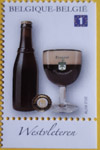
Westvleteren